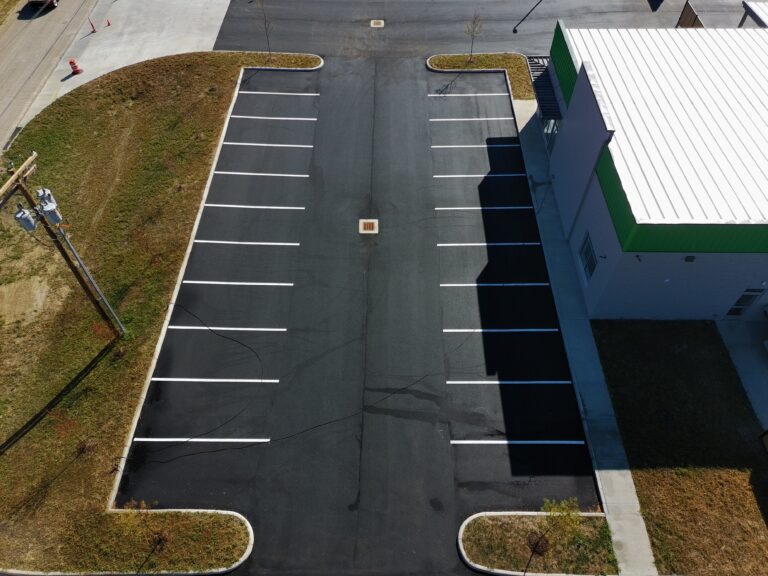
The best way to communicate a paving project to apartment residents is to tell them early, tell them often, and tell them exactly where to park and when they can drive again. Residents can handle a closed lot for a day or two; what frustrates them is surprise, vague instructions and towed cars.
Paving, sealcoating and striping all require vehicles to be off the pavement, sometimes for a full day or more. A clear communication plan keeps the work on schedule, reduces complaints to the leasing office, and protects fresh pavement from tire marks and footprints.
Start With a Clear Phasing Plan
You cannot explain a schedule you do not have yet. Before sending any notices, sit down with your paving contractor and agree on how the work will be divided. Most apartment communities cannot close the entire lot at once, so the project is usually broken into sections by building, row or entrance.
For each phase, you should know:
- Which parking areas and drive lanes will be closed
- Where residents in that area should park instead
- What time cars must be moved and when the area reopens
- Which entrances and exits will stay open for residents, deliveries and emergency vehicles
- What happens if weather pushes the work back
A simple site map with each phase color-coded becomes the backbone of every message you send. Our article on preparing apartment communities for large capital asphalt projects covers the planning side in more detail.
Build a Notice Timeline
One flyer the night before is not enough. Residents work different shifts, travel, and miss things. A layered timeline gives everyone several chances to see the message.
Two to three weeks out
Send a general announcement: what work is planned, why it is being done, and the approximate dates. Explain the benefit in plain terms. Smoother driving, fewer potholes and fresh, clear striping are things residents care about.
About one week out
Share the detailed phase schedule and map. Tell each building or section which day affects them and where to park. This is also the time to remind residents about towing policies if your community enforces them during work.
One to two days out
Post door hangers or flyers on each affected unit and put signs at the entrances. Send a reminder by text or email if you have a resident portal. Repeat the move-by time and the alternate parking location.
Day of the work
Place barricades, cones and signage before crews arrive. Have someone from the office available to answer questions and help identify cars that were not moved.
Use Every Channel You Have
Different residents pay attention to different things. Use as many channels as practical, and keep the message identical across all of them so there is no confusion.
- Door hangers or flyers: still the most reliable way to reach every unit.
- Text and email alerts: ideal for reminders and weather updates.
- Resident portal or app: post the full schedule and map so residents can check anytime.
- Signs at entrances and mailboxes: catch residents and guests as they come and go.
- Staff talking points: make sure leasing and maintenance staff can answer the same questions the same way.
Keep messages short. Lead with the date, the area affected and the move-by time. Put background details further down for anyone who wants them.
Explain What Residents Need to Do
Residents mostly want to know how the project affects them. Spell out specific instructions:
- Move vehicles by a set time. Give an exact clock time, not “early morning.”
- Stay off the work area. That includes walking, biking and pets. Fresh sealcoating and paint track easily onto shoes and carpets.
- Plan for deliveries. Let residents know where package carriers and food deliveries will stop.
- Know the reopening rules. New asphalt and fresh sealcoating need time before traffic returns, so tell residents when it is safe to drive and park again, and follow your contractor’s guidance.
- Know who to call. Give one phone number or email for questions during the project.
Think about residents with special needs too. Those with mobility challenges, medical appointments or home health visits may need a closer temporary parking spot or a heads-up phone call. Reaching out to them directly prevents last-minute problems.
Plan for Weather and Schedule Changes
Asphalt work depends on the weather. Paving with hot mix happens roughly from mid-April through early December in our region, and rain or cold can delay any given day. Sealcoating is even more sensitive: it needs dry pavement, no rain in the forecast for about a day, and temperatures around 50 degrees and rising, which generally means late spring through early fall.
Tell residents from the start that dates may shift. When a delay happens, send an update right away with the new date and confirm that the old one is cancelled. A quick, honest update earns more patience than silence.
It also helps to coordinate all the work at once. Repairs, striping and sealcoating can often be sequenced so residents deal with one set of closures instead of several. Our article on planning paving projects without interrupting daily operations has more ideas for keeping disruption low.
Close the Loop After the Project
When the work is done, send a final message thanking residents for their patience and confirming that all areas are open. Point out the improvements: new pavement, fresh striping, better drainage, or repaired entrances. This reminds residents that the inconvenience led to something worthwhile.
Afterward, take note of what worked and what did not. Which notices got the most response? Were there towing disputes or confused residents? Those lessons will make the next project even smoother.
Frequently Asked Questions
How far in advance should apartment residents be notified about paving?
Start with a general notice two to three weeks ahead, follow up with a detailed schedule about a week out, and post reminders one to two days before work begins in each area.
Can residents park on the lot the same day it is sealcoated?
Usually not. Sealcoating needs time to dry before traffic returns. Your contractor will tell you when each section can reopen, and you should pass that time along to residents.
What if a resident does not move their car?
Crews will typically work around the vehicle, leaving an unfinished spot, or the property may tow it according to its policy. Clear, repeated notices make this much less common.
Should the whole parking lot be closed at once?
Rarely. Most apartment communities phase the work by section so residents always have somewhere to park and entrances stay open.
Vandalia Blacktop & Sealcoating has worked with apartment communities and property managers across Dayton, Huber Heights and the Miami Valley since 1975, and we help plan phasing that keeps residents moving. Learn more about our commercial asphalt services, call (937) 454-0571, or contact us to start planning your next project.