Parking lot upkeep for a multi-tenant retail plaza works best with one owner-led plan: regular inspections, a yearly schedule for crack sealing, sealcoating and striping, and phased work that keeps every storefront reachable. Because tenants share the lot but keep different hours and needs, clear communication matters as much as the pavement work itself.
A retail plaza lot serves many businesses at once. A restaurant, a salon, a pharmacy and a fitness studio all depend on the same entrance, the same drive lanes and the same parking rows. When the pavement slips, every tenant feels it. When work is planned poorly, every tenant hears about it.
Who Is Responsible for the Lot?
In most plazas, the property owner or management company controls the parking lot as a common area, and tenants share the cost through their leases. The exact arrangement varies, so review your leases to see how parking lot maintenance is handled and what notice tenants are owed before work.
Whatever the leases say, the lot works best with one decision maker. Individual tenants calling different contractors for their own patch of pavement leads to mismatched repairs and confused scheduling. A single plan, managed by the owner or manager, keeps the work consistent across the whole property.
Where Plaza Lots Wear Out First
Traffic in a plaza is not spread evenly. Some areas take far more abuse than others, and knowing where to look helps you catch problems early.
- Entrances and exits. Every vehicle passes through them, and turning traffic scuffs and cracks the surface.
- Rows in front of the busiest tenants. A popular restaurant or grocery anchor wears down its nearby parking faster than the quiet end of the building.
- Rear service lanes. Delivery trucks, box trucks and garbage trucks use the back of the building, often on thinner pavement than they need.
- Dumpster areas. Heavy trash trucks set down and lift containers in the same spot every week. Concrete pads hold up much better here than asphalt.
- Drive-through lanes. Cars idle and creep in the same tracks, and spilled fluids soften the surface.
Walk the lot at least twice a year, once after winter and once in fall. Our article on how routine pavement inspections save property managers money explains what to note on each walk.
Building a Yearly Maintenance Calendar
Predictable work is easier to budget, easier to explain to tenants and less disruptive. A simple calendar for a Miami Valley plaza might look like this:
Late Winter and Early Spring
Inspect for winter damage, note potholes and new cracks, and get repair and maintenance quotes. Fill dangerous potholes with cold patch as a temporary fix until hot mix plants reopen around mid-April.
Spring Through Fall
Make permanent hot mix repairs and seal cracks while the pavement is clean and dry. Schedule sealcoating in late spring through early fall, when temperatures are around 50 degrees F and rising and dry weather is in the forecast. Restripe after sealcoating or whenever lines have faded.
Late Fall
Finish any hot mix repairs before plants close for the season in December. Walk the lot again, update your list, and start planning next year’s budget.
Scheduling Work Without Hurting Business
Every tenant has a different busy time. A breakfast spot needs mornings, a bar needs nights, and a retail store needs weekends. The goal is to find the windows that hurt the fewest businesses.
- Phase the work. Split the lot into sections so some parking near every storefront stays open.
- Use off-hours. Early mornings, evenings and the slowest day of the week are common choices for sealcoating and striping.
- Keep entrances open. If the plaza has more than one entrance, close only one at a time.
- Post clear signs. Customers need to know where to park and how to reach each business.
For more ideas, read planning commercial paving projects without interrupting daily operations.
Communicating With Tenants
Tenants are far more patient with work they know about. Send written notice well ahead of the work date with a map showing which areas close and when. Include a rain date, since sealcoating and paving depend on weather.
Ask tenants to pass the word to their employees and, if they can, to their customers through signs or social media. Remind tenants with deliveries to reroute or reschedule them. After the work, a short note thanking them for their patience goes a long way.
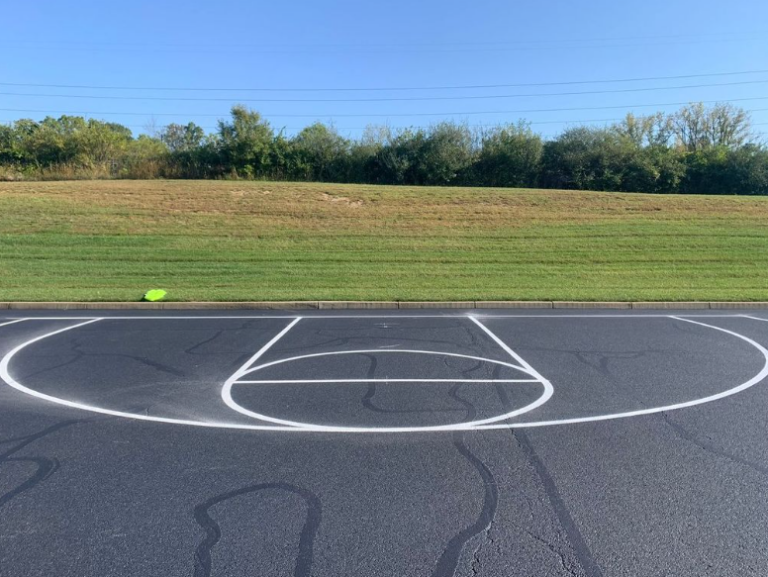
Fresh parking lot striping is a good time to review the layout, too. Accessible spaces, fire lanes and loading zones should be clearly marked. Confirm accessibility and fire lane requirements with your city or township and local fire department.
Frequently Asked Questions
Should tenants hire their own paving contractor?
Generally no. Pavement work goes better when the owner or manager handles it as one plan, so repairs match and schedules do not conflict. Check your leases for specific terms.
How often should a plaza lot be sealcoated?
It depends on traffic and how the previous coat has worn. Busy entrances may need attention sooner than quiet rows. A contractor can recommend a schedule after looking at the lot.
Can sealcoating be done while the plaza is open?
Yes, by working in sections during slower hours. Each section needs time to dry before traffic returns, so planning the sequence matters.
What is the best time to plan next year’s work?
Fall is ideal. Inspect, gather quotes and set the budget over the winter so work can start when the season opens.
A well-kept lot helps every tenant in a plaza, and it shows customers the property is cared for. Vandalia Blacktop & Sealcoating has provided commercial asphalt services across Dayton, Beavercreek and the Miami Valley since 1975. Call (937) 454-0571 or contact us to set up an inspection and maintenance plan for your plaza.