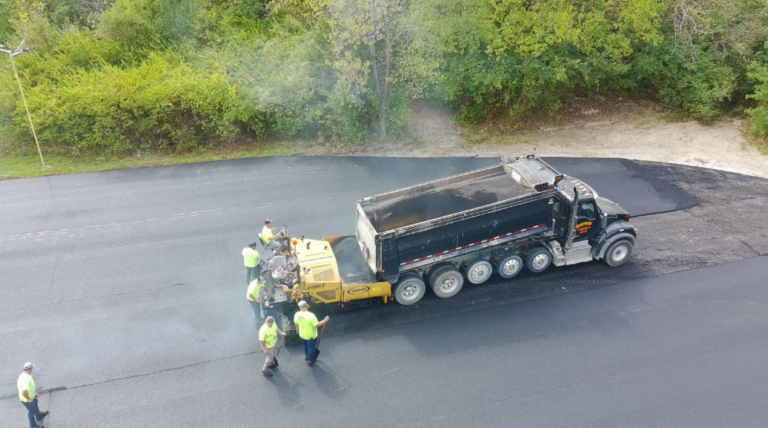
Sealcoating protects the top surface of asphalt from sun, water and chemicals, and it restores a deep black color, but it does not fix cracks, potholes, sinking areas or a failing base. Think of it as sunscreen for pavement: it slows the aging of a healthy surface, and it cannot repair one that is already broken.
Because sealcoating is one of the most visible pavement services, it collects a lot of myths. Some lead owners to expect too much from it. Others lead them to skip it when it would help. Here is what sealcoating really does, what it does not do, and how to use it well on a driveway or parking lot.
What Sealcoating Actually Does
Asphalt is held together by a binder that slowly dries out and oxidizes under sunlight. As it ages, the surface turns gray, loses flexibility and starts to shed small stones. Sealcoat puts a thin protective layer over that binder.
A good sealcoat application helps in a few specific ways:
- Slows oxidation. It shields the surface from UV rays that dry out the binder.
- Reduces water entry. It helps seal tiny surface voids so less water soaks in, which matters a lot in Ohio freeze-thaw weather.
- Resists spills. It gives some protection against gasoline, oil and deicing chemicals.
- Improves appearance. Fresh black pavement makes a property look cared for, and it gives striping a clean background.
Those are real benefits. They just apply to the surface, not to what lies underneath.
Myth: Sealcoating Fixes Cracks
This is the most common misunderstanding. Sealcoat is a thin coating. It can hide hairline cracks for a short time, but it does not fill or bond them. Within weeks, the cracks show through again as the pavement moves.
Cracks need crack sealing, which uses a hot rubberized material placed directly into cleaned, dry cracks. Crack sealing is typically done spring through fall, and it should happen before sealcoating so the coating goes over a sealed surface. For more on that step, see crack sealing strategies for apartment and residential properties.
Myth: Sealcoating Repairs Potholes and Soft Spots
Potholes, alligator cracking and sunken areas come from problems in the base or from water that has already worked its way under the pavement. Coating over them only paints the damage black.
These areas need patching, and sometimes full-depth repair, before any sealcoat goes down. If drainage is the root cause, the water problem needs attention first or the damage will come right back. A contractor should walk the pavement with you and point out what needs repair before quoting a sealcoat.
Myth: More Coats and More Often Is Always Better
It seems logical that extra protection would be good, but over-sealing causes its own problems. When sealcoat is applied too often, layers build up faster than traffic wears them off. The buildup can crack, peel and flake in patches, which looks worse than the bare asphalt did.
The right interval depends on traffic, sun exposure and the condition of the last coat. A lightly used residential driveway needs it less often than a busy commercial entrance. A simple check: if you can still see a solid layer of the previous sealcoat in low-traffic areas, it is probably too soon.
Myth: You Can Sealcoat Any Time of Year
Sealcoat needs the right conditions to cure. That means dry pavement, no rain in the forecast for about a day, and temperatures around 50 degrees F and rising. In the Miami Valley, that generally means late spring through early fall.
Applying it in cold or damp weather can leave the coating soft, streaky or poorly bonded. It may wash off in the next rain or wear away quickly under tires. Late winter and early spring are too cool and unpredictable, so those months are for planning, not applying. Our article on when to schedule sealcoating in the Miami Valley covers the timing in more detail.
Myth: New Asphalt Should Be Sealed Right Away
Fresh Pavement Needs Time
Newly paved asphalt is still releasing oils as it cures. Sealing it too soon can trap those oils and interfere with curing. Most new driveways and lots should wait before the first sealcoat. Ask your paving contractor for their recommendation based on the mix and the season the pavement was placed.
Sealcoat Is Not a Substitute for Good Paving
No coating makes up for a thin pavement section or a poorly prepared base. If you are planning a new residential driveway or lot, the long-term performance comes from the base, thickness and drainage. Sealcoating then helps that good pavement last longer.
Frequently Asked Questions
Does sealcoating make asphalt slippery?
A properly mixed sealcoat usually includes sand or aggregate to give the surface some grip. Like any smooth surface, it can feel slicker when wet, so ask your contractor about the mix they use.
How long do I need to stay off fresh sealcoat?
Foot traffic and vehicles need to stay off until it cures, and the timing depends on temperature, sun and humidity. Your contractor will give you a specific window based on the day’s conditions.
Can sealcoating cover oil stains?
Light stains can be cleaned and primed before coating. Heavy, oil-soaked spots may need extra treatment or patching because sealcoat will not stick well to saturated asphalt.
Is sealcoating worth it for an older driveway?
If the base is solid and cracks are sealed first, yes. If the driveway is badly broken up, repairs or resurfacing should come before any coating.
Sealcoating works best when it is part of a plan: repair what is broken, seal the cracks, then protect the surface at the right time of year. Vandalia Blacktop & Sealcoating has been doing exactly that across Dayton, Huber Heights and the rest of the Miami Valley since 1975. Learn more about our sealcoating service, then call (937) 454-0571 or contact us for an honest look at what your pavement needs.